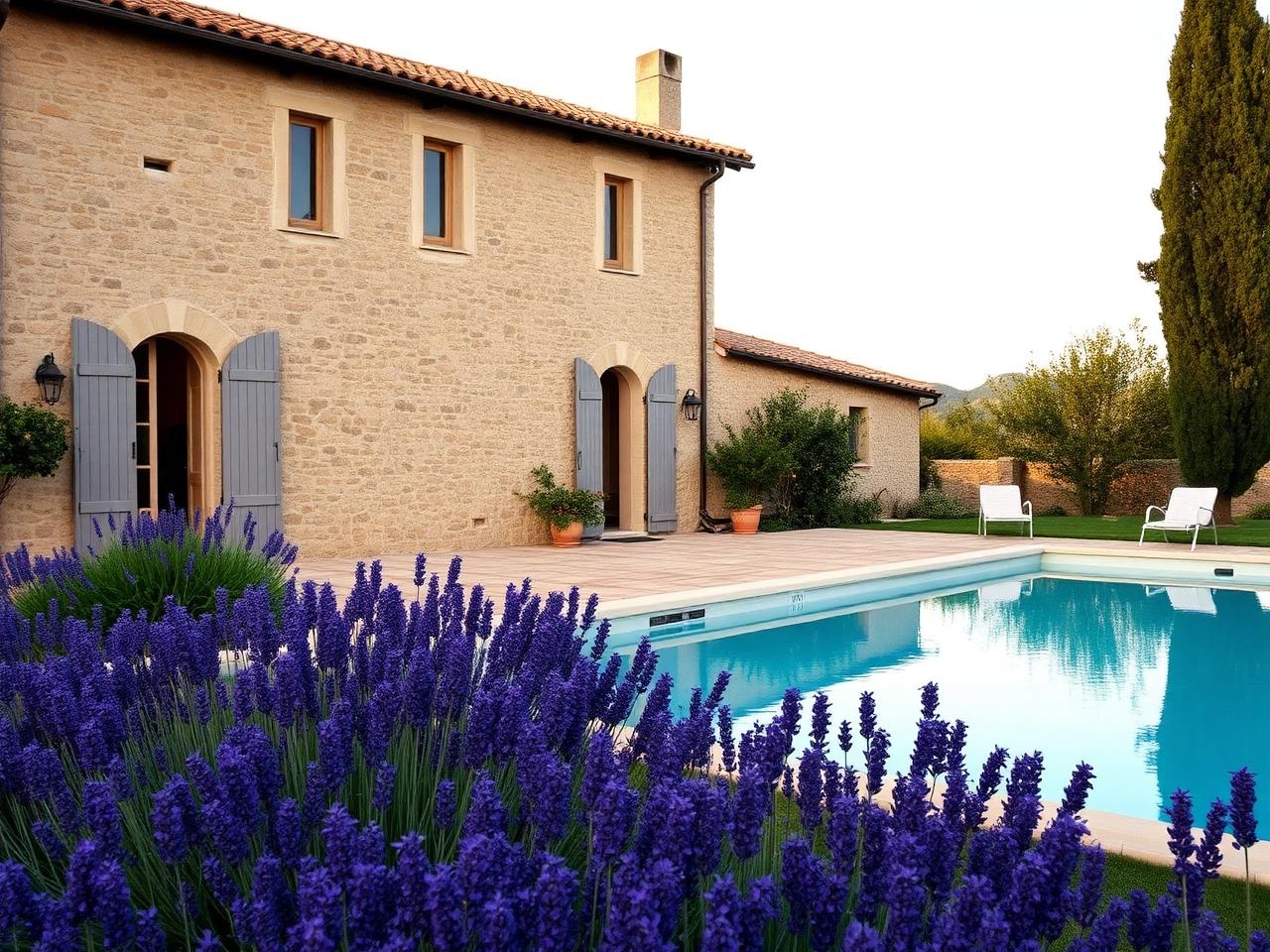
The short answer: stay inside the walls if this is your first visit and you want atmosphere; stay in Camucia if you want value, parking and easy trains; choose a countryside villa if you want space, a pool and views. Below we break down all three, with the trade-offs that the listing sites won’t tell you.
This is part of our complete Cortona travel guide. For getting here and what to see once you’ve checked in, start there.
The three places to stay, compared
| Area | Best for | Trade-off |
|---|---|---|
| Historic centre (inside the walls) | Atmosphere, walkability, first-time visitors | Higher prices; steep streets; restricted car access |
| Camucia (the valley below) | Value, parking, train access | Modern and ordinary; you commute up to the old town |
| Countryside (villas & agriturismi) | Families, longer stays, pools and views | You need a car for everything |
Staying inside the historic walls
This is the choice for most first-time visitors, and for good reason. Sleeping inside the walls means you experience Cortona at its two best moments — early morning and after dusk — when the day-trippers have gone and the streets belong to residents and overnight guests.
What to expect:
- You’re walking distance from everything — Piazza della Repubblica, the MAEC and Diocesan museums, restaurants, and the path up to Santa Margherita.
- The town is steep. Cortona is built on a slope; only Via Nazionale (the Ruga Piana) is flat. Pack light and choose a property whose location suits your knees.
- Cars stay outside. The centre is a ZTL (limited-traffic zone). You’ll park at the Parterre or Santo Spirito car parks and walk in. Many hotels can register your plate for a quick luggage drop — ask when you book.
Accommodation inside the walls ranges from restored Renaissance palazzo hotels to small family-run B&Bs tucked into the side streets. Long-established names like Hotel San Michele, set in a restored palazzo on Via Guelfa, and Villa Marsili, just outside Porta Bifora, give you a sense of the upper end; there are plenty of mid-range and budget rooms too.
Staying in Camucia
Camucia is the modern town in the valley directly below Cortona — and it’s where the main train station (Camucia-Cortona) sits. It’s not picturesque, but it’s practical.
Choose Camucia if:
- You’re travelling by train and want to step off and into your room without hauling bags up the hill.
- You want easy, free or cheap parking — a real headache up in the old town.
- You’re watching the budget; rooms here are typically cheaper than equivalent ones inside the walls.
The trade-off is simple: you’ll commute up to the historic centre (a short bus ride or quick drive) every time you want the Cortona you came for. For a single night it’s an easy call for value; for a romantic break, pay up for the walls.
Staying in the countryside
The hills around Cortona — toward Castiglion Fiorentino, the Val di Chiana and Lake Trasimeno — are dotted with agriturismi (working-farm stays) and villa rentals, many with pools and long views. This is the Under the Tuscan Sun fantasy made bookable, and it’s ideal for families, groups, and anyone staying three nights or more.
A well-known example is Casa Portagioia, a boutique country B&B — though note it sits near Castiglion Fiorentino, a few minutes’ drive from Cortona, rather than in Cortona itself. That pattern is typical: the best countryside stays are near Cortona, not in it, so a car is essential.
Weigh it up:
- For: space, peace, pools, views, and a true rural-Tuscan base for touring the wine country.
- Against: you drive to dinner, drive to the train, drive everywhere. There’s no walking into town for a gelato.
How to choose: a quick decision guide
- One or two nights, no car, first visit → inside the walls.
- On a budget, or arriving by train → Camucia.
- Family or group, three-plus nights, want a pool → countryside villa, and rent a car.
- Touring the wider region (wine, Val d’Orcia, Lake Trasimeno) → countryside, car essential.
Once you’ve picked your base, plan the rest of the trip: see what to do in Cortona, taste the local Cortona wine, or line up your day trips.
Frequently asked questions
Where is the best area to stay in Cortona?
For a first visit, stay inside the historic walls. You'll be steps from Piazza della Repubblica and the museums, and you'll have the town to yourself in the early morning and evening. If you're travelling by train without a car, or want lower prices, Camucia in the valley is a practical alternative. For families and longer stays, a countryside villa or agriturismo offers space and views.
Can you drive into Cortona's old town?
The historic centre is a restricted traffic zone (ZTL), so you cannot freely drive or park inside the walls. Most visitors park at the Parterre or Santo Spirito car parks just outside and walk in. If your hotel is inside the walls, ask whether they can register your plate for short-term access to drop off luggage.
Is it better to stay in Cortona or Camucia?
Cortona's historic centre wins on atmosphere and walkability; Camucia wins on price, parking and train access. If you have a car and want value, or you're using trains for day trips, Camucia is sensible. If this is your one Tuscan hill-town stay, pay the premium to sleep inside the walls.
Do you need a car if you stay in Cortona?
Not if you stay inside the walls and rely on trains for day trips — Camucia-Cortona and Terontola-Cortona stations connect to Florence, Rome, Arezzo and Lake Trasimeno. A car becomes worthwhile if you're staying in the countryside or want to tour the wine country and Val d'Orcia at your own pace.