Cortona’s best feature might be its address. It sits on the main Florence–Rome railway and minutes from the Umbrian border, which makes it one of the finest day-trip hubs in central Italy: the great wine towns of southern Tuscany, the art cities of Arezzo and Perugia, and the lakeside of Trasimeno are all within about an hour. Base yourself here (see where to stay) and you can see a huge slice of two regions without ever changing hotels.
This guide is part of our complete Cortona travel guide. Below: the trips worth making, how long each takes, and whether to go by train or car.
Day trips from Cortona at a glance
| Destination | Why go | Time from Cortona | Train or car |
|---|---|---|---|
| Lake Trasimeno | Lakeside towns, islands, summer beaches | ~30 min | Either (train to Passignano) |
| Arezzo | Piero della Francesca frescoes; antiques fair | ~30–40 min | Either (easy by train) |
| Montepulciano | Vino Nobile, Renaissance hill town | ~1 hr | Car (or tour) |
| Perugia | Umbria’s hilltop capital; chocolate, art | ~45–50 min | Either (train via Terontola) |
| Assisi | Basilica of St Francis; pilgrimage town | ~1 hr | Either |
| Montalcino | Brunello, Tuscany’s most famous red | ~1h15 | Car (or tour) |
| Pienza & Val d’Orcia | Postcard Tuscany; pecorino; cypress roads | ~1h+ | Car |
Best by train
If you’re carless and basing yourself inside the walls, these are the easy wins.
Arezzo
Twenty to thirty minutes by train, Arezzo is the closest big-hitter. Its treasure is Piero della Francesca’s Legend of the True Cross fresco cycle in the Basilica of San Francesco — one of the masterpieces of the early Renaissance (book ahead). On the first weekend of every month the whole centre fills with Italy’s most famous antiques fair. Arezzo also starred in Roberto Benigni’s Life Is Beautiful.
Lake Trasimeno
Just across the border in Umbria, Lake Trasimeno is a 30-minute hop. Take the train to Passignano sul Trasimeno for a lakeside lunch and ferries out to Isola Maggiore, or drive around to Castiglione del Lago on its little promontory. In summer it’s a swimming-and-beach day; the rest of the year it’s a gentle, scenic one.
Perugia & Assisi
Umbria’s capital, Perugia, is about 40 minutes by train (change or direct via Terontola-Cortona) — a grand hilltop city of medieval streets, a famous chocolate tradition, and serious art. From there, or directly, Assisi and its Basilica of St Francis, frescoed by Giotto, are an easy add. Either makes a full, rewarding day.
Best by car (the wine country)
Southern Tuscany’s wine towns are gloriously scenic and frustratingly ill-served by trains. Do these by car — or book a tour and let someone else drive and pour.
Montepulciano
About an hour southwest, Montepulciano is a steep, handsome Renaissance town famous for Vino Nobile di Montepulciano, one of Tuscany’s classic Sangiovese-based reds. Cellars burrow under the old palazzi right in the centre, so you can taste without leaving town. (Film fans: parts of Twilight: New Moon were shot here, standing in for Volterra.)
Montalcino
Another twenty minutes or so beyond, Montalcino is the home of Brunello, arguably Italy’s most prestigious red wine. The hilltop fortress, the long views, and the chance to taste Brunello at its source make it a bucket-list stop for wine lovers — pair it with the local guide to Cortona’s own Syrah for a complete Tuscan-red education.
Pienza & the Val d’Orcia
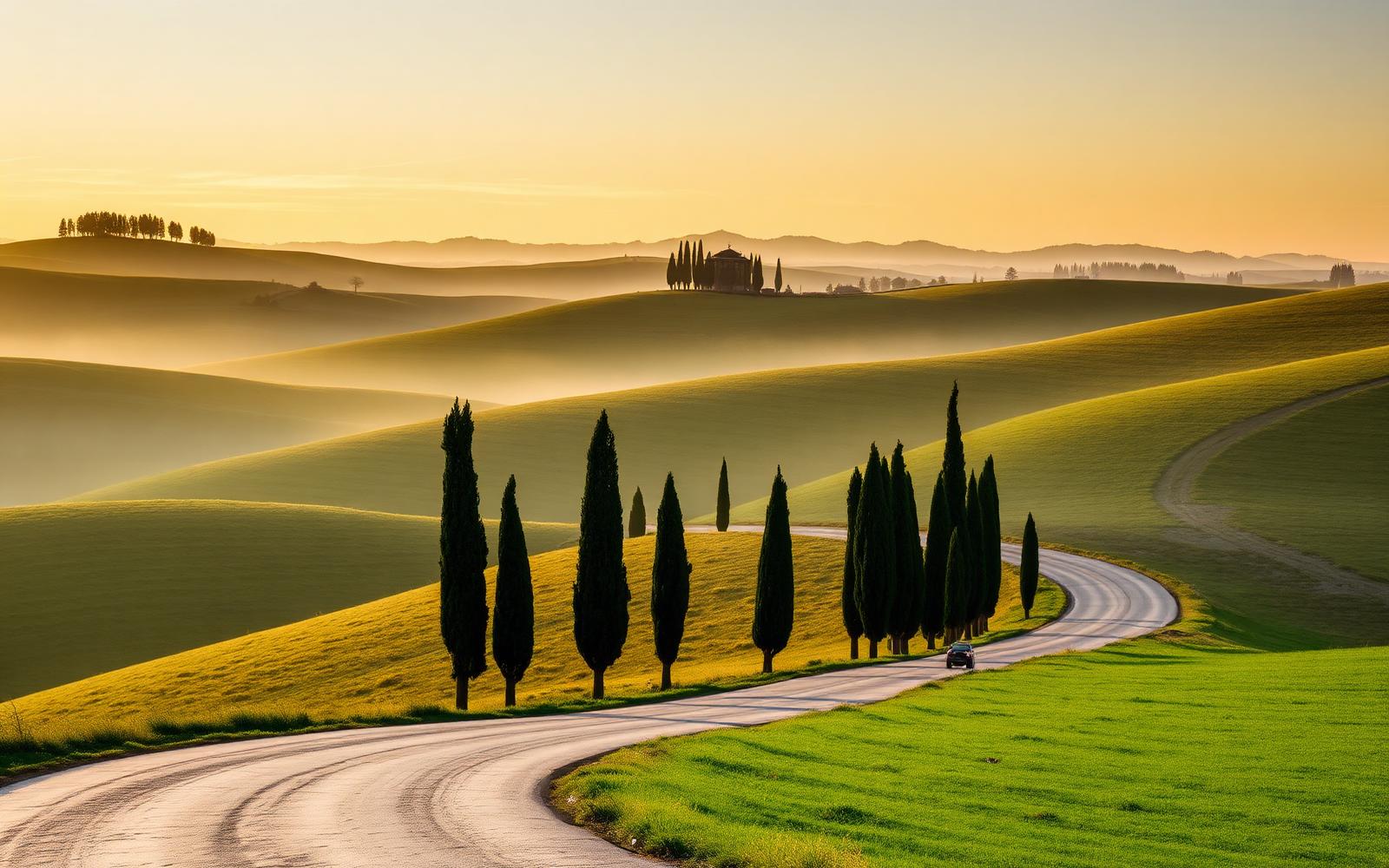
The Val d’Orcia is the Tuscany of postcards and screen-savers: rolling hills, solitary cypresses, golden light. Pienza, a perfect little Renaissance “ideal city,” is the place to base a drive through it — and to buy the celebrated local pecorino di Pienza cheese.
How to plan it
A simple rule of thumb:
- Day-trip by train for Arezzo, Perugia, Assisi and Lake Trasimeno — no car needed.
- Day-trip by car or tour for Montepulciano, Montalcino and the Val d’Orcia.
- Going further? Both Florence (~1h15–1h30) and Rome (~2h) are doable as long day trips by train, since Cortona sits on the main line between them.
If you’re touring the wine country and Val d’Orcia at your own pace, it’s worth basing yourself at a countryside villa with parking rather than inside the walls. And whatever you do, leave at least one full day for Cortona itself — it more than holds its own against any of these.
Frequently asked questions
What are the best day trips from Cortona?
The standouts are Montepulciano and Montalcino for wine, Lake Trasimeno for the lakeside and islands, Arezzo for Piero della Francesca's frescoes and its antiques market, and Perugia and Assisi just across the border in Umbria. All are within roughly an hour of Cortona.
Can you do day trips from Cortona by train?
Yes, for some. Arezzo, Perugia and Lake Trasimeno (Passignano) are reachable by train from the Camucia-Cortona or Terontola-Cortona stations, as are Florence and Rome. The wine towns — Montepulciano, Montalcino, Pienza — are awkward without a car, so do those by car or on a guided tour.
Is Cortona a good base for exploring Tuscany and Umbria?
It's one of the best. Cortona sits on the Florence–Rome rail line and minutes from the Umbrian border, so you can reach the wine country of southern Tuscany, the hill towns of Umbria, and the art cities of Arezzo and Perugia — all as day trips — without changing hotels.
How far is Lake Trasimeno from Cortona?
Very close — about 30 minutes by car, or a short train ride to Passignano sul Trasimeno. The lake is just over the regional border in Umbria and makes an easy half-day or full-day trip, with lakeside towns, ferries to the islands, and beaches in summer.